Cameras are an important part of modern life. They are used for photography, video recording, security, communication, education, scientific research, and entertainment. With advancements in technology, cameras are now available in different shapes, sizes, and designs.
Each type of camera is developed for a specific purpose, depending on its features, image quality, and functionality.
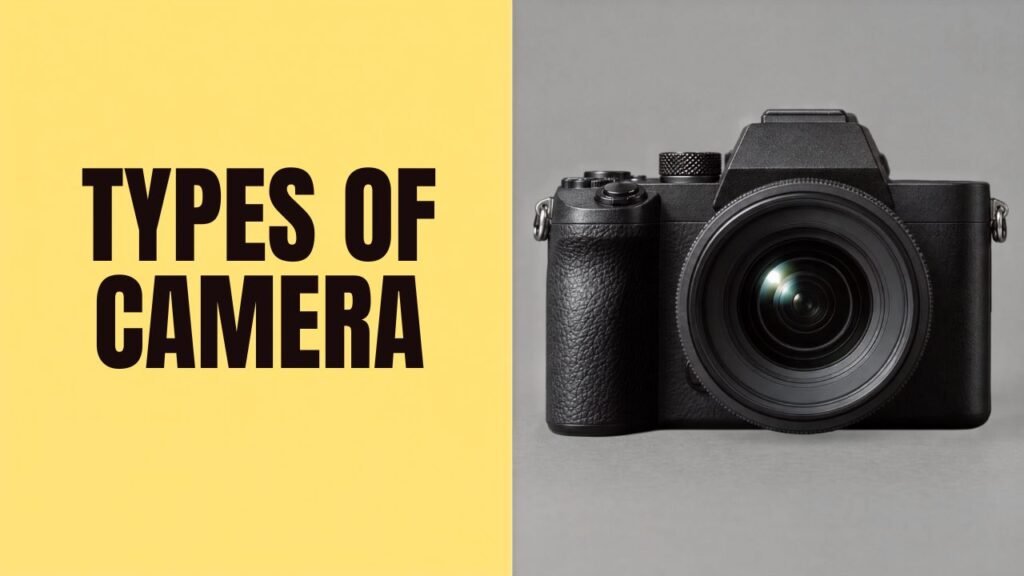
Understanding the different types of cameras can help students, photographers, professionals, and technology enthusiasts learn how camera technology works and how to choose the right camera for different applications.
1. DSLR Camera
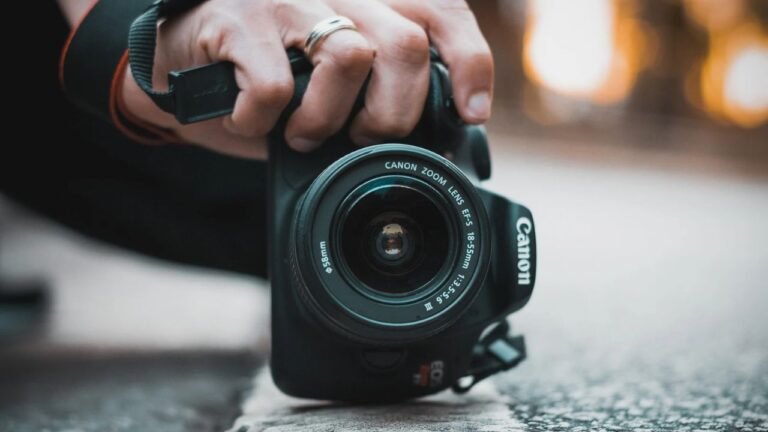
A DSLR (Digital Single-Lens Reflex) camera is a popular type of digital camera used by professional photographers and photography enthusiasts. It uses a mirror mechanism to reflect light from the lens into an optical viewfinder.
DSLR cameras generally offer excellent image quality, interchangeable lenses, manual controls, and good performance in different lighting conditions. They are commonly used for portraits, landscapes, wildlife photography, and professional photography.
2. Mirrorless Camera
A mirrorless camera is a digital camera that does not use the mirror mechanism found in DSLR cameras. Instead, light passes directly through the lens to the image sensor.
These cameras are usually smaller and lighter than DSLRs while providing excellent image quality. Mirrorless cameras are widely used for photography, filmmaking, vlogging, and professional video production.
3. Point-and-Shoot Camera
Point-and-shoot cameras are compact digital cameras designed for simple photography. They automatically adjust settings such as focus, exposure, and shutter speed.
These cameras are easy to use and suitable for beginners, casual photography, family events, and travel. Many models include built-in zoom lenses and automatic shooting modes.
4. Smartphone Camera
Smartphone cameras are integrated into mobile phones and are among the most commonly used cameras today.
Modern smartphones may include multiple camera sensors, such as wide-angle, ultra-wide, macro, and telephoto cameras. They offer features such as autofocus, image stabilization, portrait mode, and night photography.
Smartphone cameras are commonly used for everyday photography, video recording, social media, and video calls.
5. Webcam
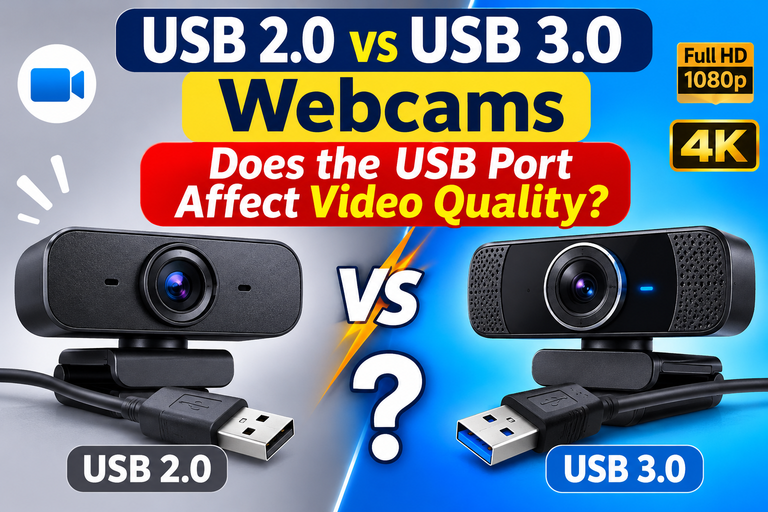
A webcam is a digital camera designed primarily for computers and online communication. It can be built into laptops, monitors, or connected externally through USB.
Webcams are widely used for video conferencing, online classes, live streaming, remote work, and video calls. Some webcams offer Full HD or 4K resolution, autofocus, and built-in microphones.
If you want to check your camera’s video quality, try our Webcam Resolution Test. This free online tool helps you check your webcam’s actual resolution and test supported options, including 720p HD, 1080p Full HD, 1440p QHD, and 4K.
6. Action Camera
Action cameras are compact and durable cameras designed for recording activities in challenging environments.
They are commonly used for sports, adventure activities, travel, cycling, swimming, and outdoor photography. Many action cameras feature waterproof housings, image stabilization, wide-angle lenses, and high-resolution video recording.
7. CCTV and Security Camera
CCTV cameras are used for surveillance and security monitoring in homes, offices, shops, schools, and public places.
These cameras help monitor activities, record video footage, and improve security. Modern security cameras may support night vision, motion detection, remote viewing, and internet connectivity.
Common security camera types include dome cameras, bullet cameras, PTZ cameras, and IP cameras.
8. Drone Camera
A drone camera is mounted on an unmanned aerial vehicle (UAV) and is used to capture images and videos from the air.
Drone cameras are useful for aerial photography, filmmaking, agriculture, surveying, mapping, and inspection work. They provide perspectives that are difficult to capture using traditional cameras.
9. Thermal Camera
A thermal camera detects infrared radiation emitted by objects and converts it into an image representing temperature differences.
Unlike traditional cameras, thermal cameras can detect heat patterns even in low-light conditions. They are used in industrial inspections, electrical maintenance, firefighting, medical research, and building energy assessments.
10. 360-Degree Camera
A 360-degree camera captures images or videos in all directions around the camera.
These cameras are commonly used for virtual reality, immersive videos, tourism, real estate, and interactive content. They often use multiple lenses to capture a complete surrounding view.
11. Film Camera
A film camera uses photographic film instead of a digital image sensor to capture photographs.
Film cameras were widely used before digital photography became popular and remain relevant among photography enthusiasts and professionals who appreciate traditional photography.
They are available in different formats, including 35mm film and medium-format film cameras.
12. Industrial and Machine Vision Camera
Industrial cameras are designed for automation, manufacturing, inspection, and scientific applications.
Machine vision cameras are used to capture images that computer systems analyze to identify defects, measure objects, read labels, and monitor production processes.
These cameras are commonly found in factories, robotics systems, laboratories, and quality-control environments.
Conclusion
There are many types of cameras available, each designed for specific applications. DSLR and mirrorless cameras are popular for photography, webcams are useful for online communication, smartphone cameras support everyday photography, and security cameras help monitor important locations.